
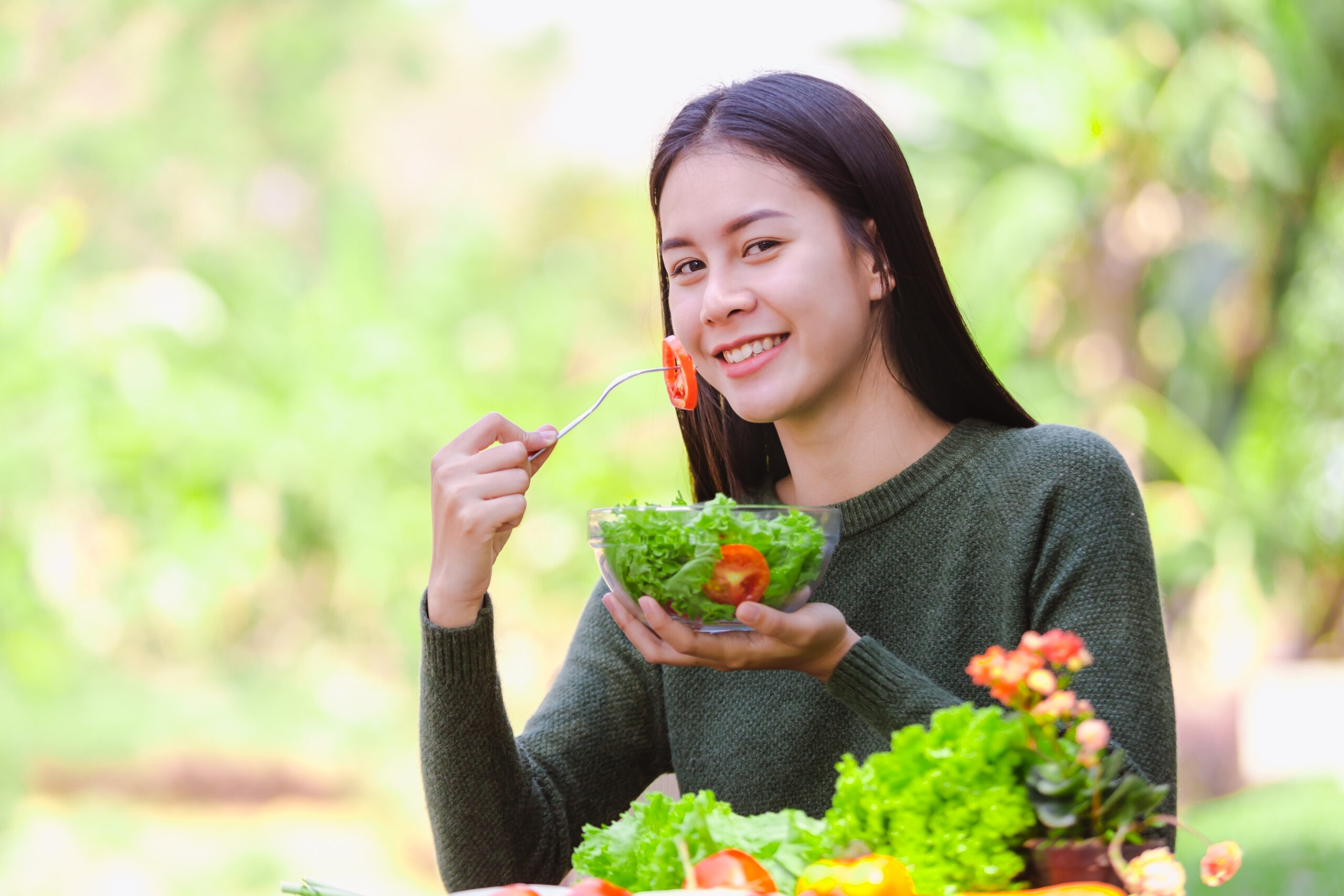
Clean Eating Matters Today
Clean eating is no longer a niche preference—it’s a conscious lifestyle choice shaped by growing awareness about health, food safety, and environmental responsibility. Organic food stands at the heart of this movement, offering nourishment that is closer to nature and kinder to the planet.
🌱 What Is Organic Food?
Organic food is produced using natural farming practices that avoid synthetic pesticides, chemical fertilizers, genetically modified organisms (GMOs), artificial preservatives, and growth hormones.
Organic farming focuses on:
- Natural soil enrichment
- Eco-friendly pest control
- Crop rotation and biodiversity
- Sustainable use of resources
The result is food that is clean, wholesome, and responsibly grown.
🥗 What Is Clean Eating?
Clean eating means choosing foods that are minimally processed, naturally grown, and free from harmful additives. Organic food aligns perfectly with this philosophy by delivering purity from farm to plate.
Clean eating emphasizes:
- Fresh vegetables and fruits
- Natural grains and pulses
- Chemical-free produce
- Transparent food sourcing
💚 Key Organic Food Benefits
1️⃣ Reduced Chemical Exposure
Organic foods contain significantly fewer pesticide residues. This helps lower toxin accumulation in the body and reduces long-term health risks, especially for children and pregnant women.
2️⃣ Higher Nutritional Value
Research suggests organic vegetables often contain higher levels of antioxidants, vitamins, and essential minerals that support immunity and overall wellness.
3️⃣ Long-Term Health Protection
Consuming organic food consistently may lower the risk of chronic illnesses linked to chemical exposure, such as hormonal imbalances, allergies, and digestive issues.
4️⃣ Better Taste & Freshness
Organic produce is typically harvested closer to ripeness, resulting in richer flavor, natural aroma, and superior freshness.
🌍 Environmental Benefits of Organic Farming
Organic food benefits extend far beyond personal health.
🌾 Soil Health Improvement
Organic farming restores soil fertility through composting and natural fertilizers, preventing erosion and degradation.
🐝 Biodiversity Protection
By avoiding harmful chemicals, organic farms support pollinators like bees and promote balanced ecosystems.
💧 Water Conservation
Chemical-free farming reduces water contamination, preserving groundwater and nearby water bodies.
👨👩👧👦 Why Organic Food Matters for Families
Choosing organic food helps families:
- Minimize exposure to harmful residues
- Build healthier eating habits
- Support children’s growth naturally
- Promote overall family wellness
Organic meals nourish not just the body, but peace of mind.
🌿 Organic Food: A Lifestyle, Not a Trend
Organic food is not about luxury—it’s about responsibility. Every organic choice supports ethical farming, healthier communities, and a sustainable future.
By choosing organic, you invest in:
- Your health
- Farmers’ livelihoods
- Environmental balance
- Future generations
🔗 Helpful Resources
Internal Links
👉 Explore Our Organic Vegetables
👉 Read the OrganicHuts Story
External References
- FAO – Organic Agriculture
- WHO – Food Safety & Nutrition
🖼️ Image Suggestions
- Fresh Organic Vegetables Basket
Alt: organic vegetables for clean eating - Family Enjoying a Healthy Organic Meal
Alt: organic food benefits for family health
🌱 Final Thought
Choosing organic food is choosing care—care for your body, your family, and the planet. Clean eating today shapes a healthier tomorrow.
Hi, this is a comment.
To get started with moderating, editing, and deleting comments, please visit the Comments screen in the dashboard.
Commenter avatars come from Gravatar.