🌱 Organic Vegetables Grown Naturally at OrganicHuts
Organic vegetables form the foundation of a healthy lifestyle. At OrganicHuts, we grow them naturally using chemical-free farming methods. By following nature’s rhythm, our practices protect soil health, human well-being, and the environment 🌍. Every step, from seed selection to harvest, is designed to maintain purity. The result: fresh, clean, and highly nutritious vegetables you can trust.
📸 Hero Image Suggestion: Organic vegetables harvested at OrganicHuts farm
Alt text: Organic vegetables grown naturally at OrganicHuts using chemical-free farming methods.
🥬 Why Choose Organic Vegetables for Daily Consumption
Organic vegetables are cultivated without synthetic pesticides, artificial fertilizers, or genetically modified seeds. This reduces harmful chemical exposure significantly. Daily consumption also supports long-term health.
Health experts, including the World Health Organization, note that prolonged pesticide exposure may lead to serious risks. Choosing organic vegetables is a safer and smarter option for families 👨👩👧👦.

⭐ Key Benefits of Organic Vegetables
Organic vegetables provide numerous advantages:
✅ Free from chemical residues ❌🧪
✅ Rich in natural nutrients & antioxidants
✅ Safe for children & elders
✅ Better taste & freshness
✅ Supports immunity & digestion
🥕 🥬 🌱 💪 👶
🚜 How OrganicHuts Grows Chemical-Free Vegetables Naturally
Farming organically at OrganicHuts is a responsibility, not just a trend. Sustainable practices guide each stage of cultivation.
🌿 1. Living Soil Preparation
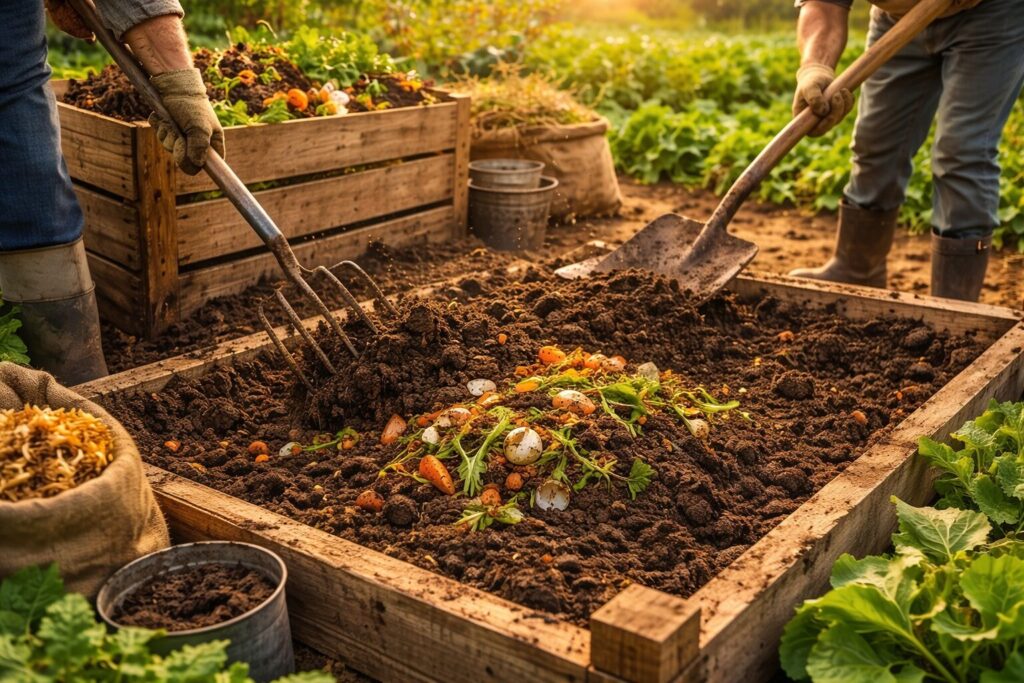
Healthy soil produces healthy vegetables. Compost, green manure, and natural microbial solutions enrich our soil naturally. Over time, soil fertility improves, which enhances crop nutrition.
FAO confirms that soil rich in organic matter increases both crop quality and sustainability.
🔗 FAO Soils Portal
🐞 2. Natural Pest and Disease Control
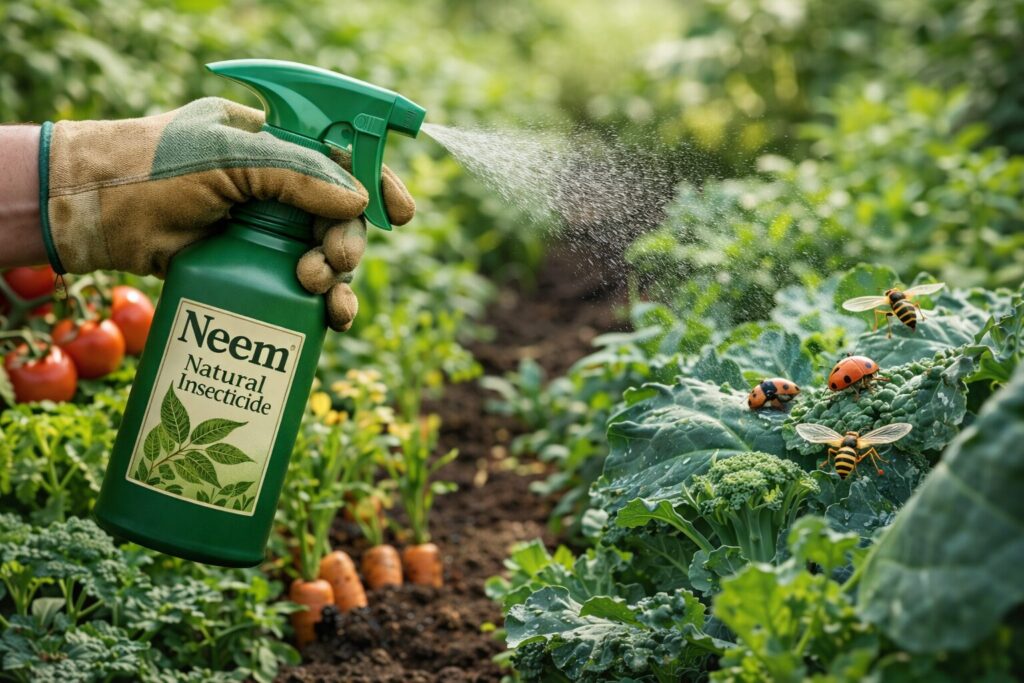
Chemical sprays are unnecessary in our system. We employ neem-based solutions, beneficial insects 🐝, and crop diversity to protect crops. These methods maintain ecosystem balance while ensuring healthy vegetables.
🌞 3. Seasonal and Responsible Cultivation
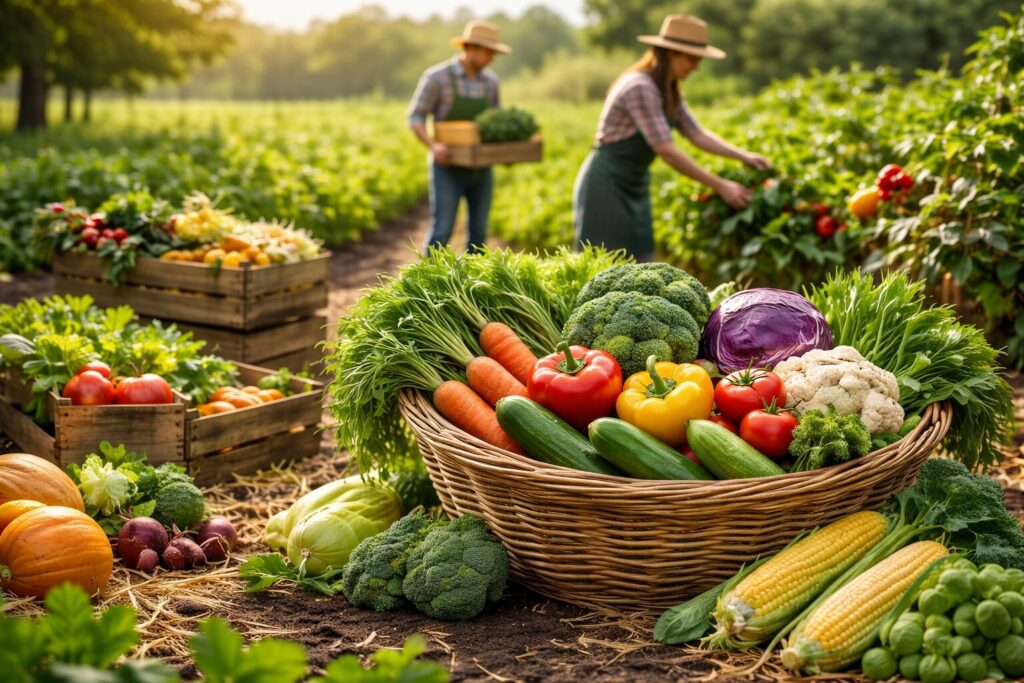
Vegetables thrive when grown in sync with nature. Seasonal planting reduces environmental stress and improves quality.
⚖️ Organic Vegetables vs Conventional Vegetables
| Feature | 🌱 Organic Vegetables | 🧪 Conventional Vegetables |
|---|---|---|
| Pesticides | Natural | Synthetic |
| Soil Health | Preserved | Degraded |
| Nutrition | Higher antioxidants | Reduced |
| Environmental Impact | Low | High |
Research from Harvard School of Public Health shows organic food lowers pesticide intake while supporting sustainability.
🔗 Harvard Nutrition Source
💚 Health Benefits of Eating Fresh Organic Vegetables
Regular consumption of fresh organic vegetables improves digestion, strengthens immunity, and reduces toxin buildup. Freshly harvested produce retains more nutrients, which supports gut health and overall wellness.
USDA Organic Guidelines emphasize limiting chemical exposure while preserving nutritional value.
🔗 USDA Organic 101
👶 Why Organic Vegetables Are Safer for Children
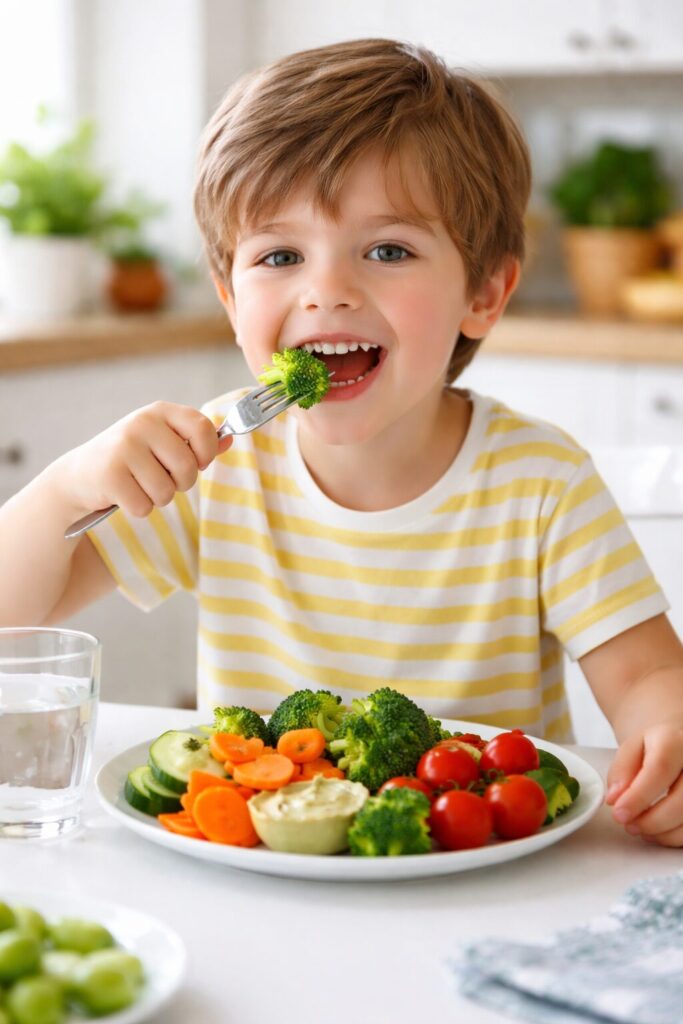
Children are more vulnerable to chemical exposure, so organic vegetables are particularly important during growth stages. Organic foods significantly reduce pesticide intake and support healthy development.
The American Academy of Pediatrics recommends organic food for children’s health.
🔗 AAP on Organic Food
🤝 OrganicHuts Commitment to Honest and Sustainable Farming
Our mission is simple: grow what we would feed our own families ❤️. Quality is never compromised.
🌱 Our Core Values
✔️ Integrity in farming
✔️ Transparency in processes
✔️ Respect for nature
✔️ Commitment to consumer health
Organic vegetables are more than food—they are a promise of purity and sustainability.
🔗 Internal Links for SEO
Hi, this is a comment.
To get started with moderating, editing, and deleting comments, please visit the Comments screen in the dashboard.
Commenter avatars come from Gravatar.
Test